Small Marketing Wins That Actually Impact Your Business
Running a wellness practice means you're already juggling client sessions, continuing education, admin tasks, and actually taking care of yourself. The last thing you need is another marketing guru telling you to "just post consistently" or "go viral on TikTok."
Here's the truth: You don't need a massive marketing overhaul to grow your practice. What you need are small, strategic wins that actually bring clients through your door without burning you out.
Let's talk about the marketing tasks that deliver real results for wellness practitioners, not just busy work that looks productive.
Google Business Profile: Your Most Underrated Marketing Tool
If you're a local wellness practitioner and you haven't claimed and optimized your Google Business Profile, you're leaving money on the table. This isn't glamorous work, but it's one of the highest-impact things you can do.
Here's what actually matters:
Complete every section. Yes, even the ones that seem optional. Google rewards complete profiles with better visibility. Add your services, hours, photos of your space, and a detailed business description that includes the specific conditions you treat or populations you serve.
Post weekly updates. These don't need to be masterpieces. A quick tip, an announcement about availability, or a photo from your office keeps your profile active. Think of it as a mini social media platform that people actually use when they're ready to book.
Respond to every review. Thank people who leave positive reviews within 24-48 hours. For critical reviews, respond professionally and offer to resolve the issue offline. Future clients are watching how you handle feedback.
A therapist I know went from 2-3 inquiries per month to 10-15 just by optimizing her Google Business Profile and consistently posting weekly updates. She didn't change anything else about her marketing.

Email Your Existing Clients (They Actually Want to Hear From You)
Your current and past clients already know, like, and trust you. They're your warmest audience, yet most wellness practitioners barely stay in touch with them.
Send a simple monthly email. That's it. Not a perfectly designed newsletter with ten sections. Just a valuable email that reminds people you exist and gives them something useful.
What to include:
- One helpful tip related to your specialty
- A personal update or observation from your practice
- A clear way to book or refer someone
A health coach I work with sends a monthly email with one recipe and a short personal note. She consistently books 3-5 sessions directly from that email, plus gets 2-3 referrals. Her emails take about 30 minutes to write.
The key is consistency, not perfection. Pick a day each month and protect that time for your email.
Create One Really Good Resource Page
Instead of pumping out blog posts that no one reads, create one comprehensive resource page that answers the most common questions in your niche.
For a nutritionist, this might be "Complete Guide to Managing PCOS Through Nutrition." For a therapist specializing in anxiety, it could be "Understanding Anxiety: What It Is and How Therapy Helps."
This page should be long, thorough, and genuinely helpful. Include:
- Clear sections with headers that answer specific questions
- Practical tips people can implement immediately
- When to seek professional help (spoiler: your services)
- FAQs at the bottom
Optimize this page for search engines by naturally including the phrases people actually type into Google. Then link to it from your homepage, your bio, and your social profiles.
One well-optimized resource page will bring you more qualified leads than dozens of short blog posts. A trauma therapist colleague gets 60% of her new client inquiries from a single comprehensive page on EMDR therapy.
Ask for Referrals (But Make It Easy)
Most wellness practitioners feel awkward asking for referrals. But here's the thing: satisfied clients want to help you. They just need a gentle reminder and an easy way to do it.
After a successful milestone with a client, try something like: "I'm so glad we've made this progress together. If you know anyone else who might benefit from this work, I'd love to support them too. Here's my card with my website if you'd like to pass it along."

That's it. No pressure, no awkwardness.
You can also make referrals easier by:
- Including a simple referral link in your email signature
- Mentioning on your website that you're accepting new clients (or joining a waitlist)
- Creating a simple one-page PDF about your services that's easy to share
A couples therapist I know added one line to her intake paperwork: "Many of my clients come through word-of-mouth referrals. If you know other couples who might benefit from this work, I'd be grateful if you'd share my information." She saw referrals increase by 40% just from that small addition.
Speaking of community: If you're looking to connect with other wellness business owners who face the unique challenges of marketing a practice, join our Health & Wellness Business Owners Facebook group. It's a supportive space to share wins, ask questions, and learn from other practitioners building sustainable practices.
Show Up Consistently in One Place (Not Everywhere)
You don't need to be on every social media platform. Pick one where your ideal clients actually spend time, and show up there consistently.
For most wellness practitioners, this means:
- Instagram for health coaches and nutritionists
- Facebook for local practitioners and older demographics
- LinkedIn for corporate wellness or professional audiences
Post 2-3 times per week. Share a mix of:
- Educational content that demonstrates your expertise
- Behind-the-scenes glimpses of your practice
- Client wins (with permission, obviously)
- Your perspective on relevant topics in your field
The goal isn't to go viral. The goal is to stay visible and build trust with people who might eventually need your services.

A functional medicine practitioner I know posts three times per week on Instagram: one educational carousel, one personal story, and one quick tip. She books 5-8 discovery calls per month directly from Instagram, and her content takes less than 2 hours per week to create.
Update Your Website Copy to Speak Directly to Your Ideal Client
Most wellness websites sound like everyone else's. They're full of generic language about "holistic healing" and "supporting your journey" without saying anything specific.
Take 30 minutes and rewrite your homepage and services page to speak directly to one specific type of client you love working with.
Instead of: "I help people manage stress and find balance." Try: "I work with high-achieving women who are exhausted from doing everything perfectly and ready to learn how to actually rest."
Be specific about:
- Who you work with
- What problems you solve
- What working with you actually looks like
- What results clients can expect
This feels risky because you worry you'll turn people away. But specific language attracts the right people much more effectively than generic copy that could apply to anyone.
Batch Your Content Creation
Here's a small operational win that frees up mental energy for everything else: batch create your content instead of scrambling to post every day.
Pick one afternoon each month and create all your social posts, emails, and blog content in one go. You'll get into a creative flow, your content will be more cohesive, and you won't waste energy switching contexts every day.
Use a simple scheduling tool to automate posting, or save everything in a folder and copy-paste when it's time to post.
A health coach I work with spends 3 hours on the first Sunday of each month creating all her content. The rest of the month, she shows up to engage and respond, but the heavy lifting is done. This one change reduced her marketing stress significantly.
Track What Actually Works
You don't need fancy analytics or complicated tracking systems. Just pay attention to where your clients are actually coming from.
Ask every new client during intake: "How did you hear about me?"
Keep a simple tally in a notebook or spreadsheet:
- Google search: 3
- Instagram: 5
- Referral: 8
- Google Business Profile: 6
After three months, you'll have clear data about what's working. Double down on those channels and stop wasting time on the ones that aren't bringing results.
A nutritionist I know discovered that 70% of her clients found her through Google searches, not social media where she was spending most of her time. She shifted her energy to SEO and local search optimization and saw her practice fill up within two months.
The Bottom Line
Growing your wellness practice doesn't require a big marketing budget, a huge social media following, or going viral. It requires showing up consistently in the places where your ideal clients are already looking for help.
Pick 2-3 of these small wins and focus on them for the next 90 days. Perfect them before adding anything new to your plate. Marketing works best when it's sustainable, not when it's another source of stress in your already full life.
The practices that grow steadily are the ones built on small, consistent actions, not big flashy campaigns. Start small, track what works, and keep showing up.
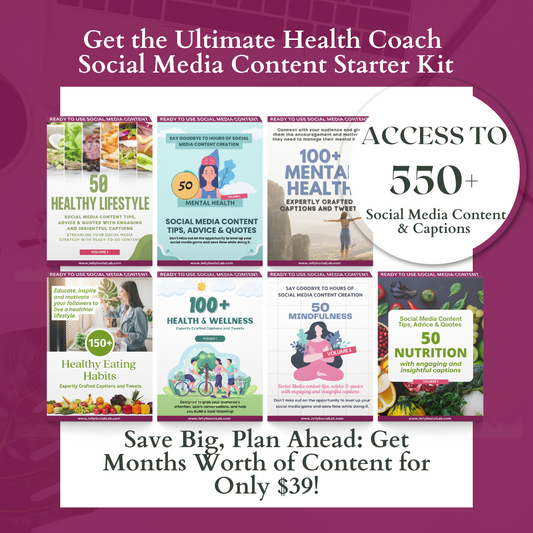
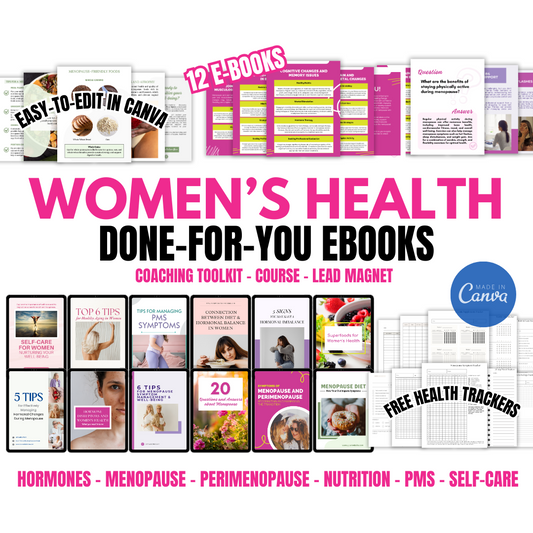
Need help creating consistent marketing content without the overwhelm? Wellness Content Kit provides done-for-you blog posts, social media content, and email templates designed explicitly for wellness practitioners. Get professional content you can customize and use immediately, so you can focus on serving your clients instead of stressing about what to post. Browse our content templates here.