12 Best Practices in Health and Wellness Marketing
Share
When promoting health and wellness products or services, having a strong marketing strategy is essential. The wellness industry is competitive, and brands that succeed combine trust, education, and consistency. Below are 12 best practices in health and wellness marketing that can help elevate your brand and support long-term growth.
1. Understand Your Target Audience
Before launching any marketing campaign, it is critical to understand who your audience is and what they care about. Conduct market research to identify their needs, goals, preferences, and pain points. Go beyond demographics and consider psychographics such as values, lifestyle, and motivations. When your messaging speaks directly to your audience, engagement and conversions naturally increase.
2. Leverage Influencer Partnerships
Influencer marketing remains highly effective in the health and wellness space. Partner with influencers who genuinely align with your brand values and have built trust with their audience. Authentic collaborations often outperform large influencer campaigns because they feel more relatable and credible.
3. Create Valuable, Educational Content
Content marketing plays a major role in building authority and trust. Focus on creating high-quality content that educates your audience and answers common questions. Blog posts, videos, guides, social media posts, and email newsletters all help position your brand as a reliable resource.
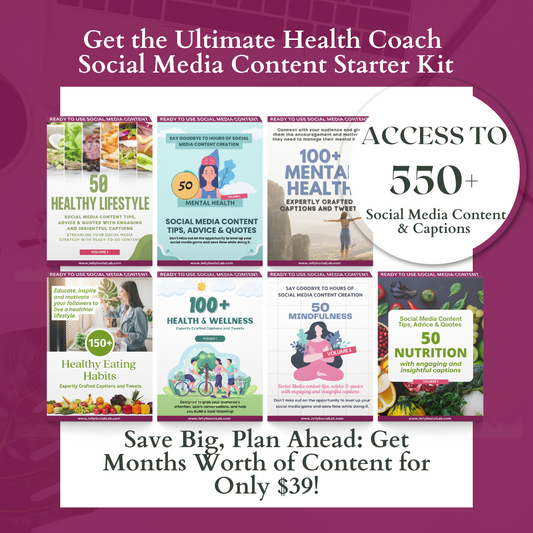
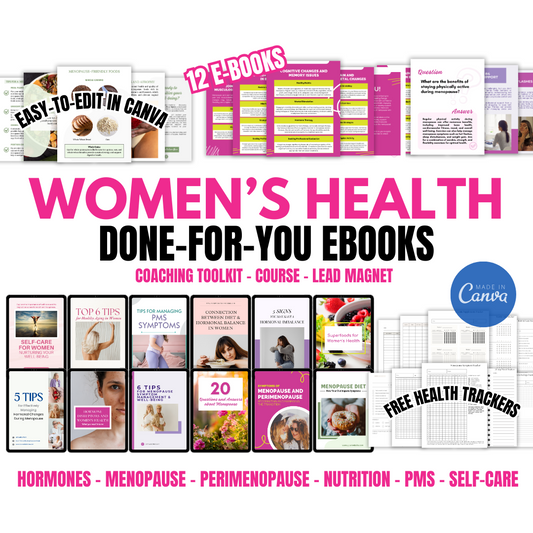
For wellness professionals who want to save time while maintaining consistency, tools like Wellness Content Kit provide ready-to-use content templates designed specifically for the health and wellness industry.
4. Use Social Media With Intention
Social media allows you to connect directly with your audience and build brand awareness. Choose platforms where your ideal clients are most active and tailor content to each channel. Consistency, engagement, and authenticity matter more than posting everywhere. Respond to comments, interact with followers, and join relevant conversations to strengthen relationships.
5. Prioritize Search Engine Optimization
Search engine optimization helps your brand get discovered by people actively searching for solutions. Conduct keyword research to identify relevant search terms and incorporate them into your website content, blog posts, and landing pages. A strong SEO strategy increases organic traffic and supports long-term visibility.
6. Build Relationships Through Email Marketing
Email marketing remains one of the most effective ways to nurture leads and retain customers. Personalized campaigns that deliver value perform best. Share educational content, exclusive offers, updates, and insights that support your audience’s wellness journey. Segmenting your email list helps ensure each message is relevant.
7. Track and Analyze Performance
Data allows you to make informed marketing decisions. Use analytics tools to track website traffic, engagement, conversions, and campaign performance. Regularly reviewing this data helps identify what is working, what needs improvement, and where to focus your efforts next.
8. Stay Compliant With Industry Regulations
Health and wellness marketing requires a high level of transparency. Ensure that all claims are accurate and compliant with relevant regulations, including FDA guidelines for supplements and health products. Clear, honest messaging protects your brand and builds trust with consumers.
9. Focus on Brand Loyalty
Long-term success comes from loyal customers. Provide exceptional customer experiences, deliver high-quality products or services, and communicate consistently. Encourage reviews and testimonials, and listen to customer feedback to continuously improve your offerings.
10. Align With Sustainability and Wellness Trends
Consumers are increasingly drawn to brands that align with their values. Highlight sustainable practices, ethical sourcing, and wellness-focused initiatives where applicable. Staying informed about emerging trends helps keep your brand relevant and relatable.
11. Collaborate With Health Professionals
Partnering with qualified health professionals adds credibility to your brand. Collaborations with doctors, nutritionists, therapists, or fitness experts can validate your messaging and help consumers feel confident in your offerings.
12. Build and Nurture Community
A strong community increases brand loyalty and advocacy. Encourage user-generated content, host workshops or webinars, and create opportunities for meaningful interaction. When people feel connected to your brand, they are more likely to support and recommend it.
Ready to Strengthen Your Wellness Marketing?
If you are ready to attract more aligned clients, show up consistently, and grow your wellness brand with confidence, you do not have to do it alone.
Wellness Content Kit gives health and wellness professionals the tools they need to create high-quality, on-brand content quickly, without burnout. Jelly Digital provides strategic marketing support tailored for wellness businesses seeking real, measurable growth.
Whether you need done-for-you marketing or streamlined content creation, the right support can move your brand forward faster.
Explore your options, take the next step, and start building a wellness brand that stands out and converts.